

For many businesses, reviewing expenses once a month may seem sufficient. Monthly financial reports can provide a useful overview of revenue, operating costs, profitability, and cash flow. However, some expenses can change quickly enough that waiting until the end of the month to review them creates unnecessary financial risk. A cost that appears manageable when viewed monthly can become a serious problem if it continues increasing unchecked for several weeks.
Weekly expense monitoring gives business owners and financial leaders an earlier opportunity to identify unusual spending, prevent budget overruns, and make timely adjustments. The goal is not to scrutinize every transaction every week. Instead, businesses should focus on costs that are variable, recurring, volatile, or closely connected to cash flow and profitability. Understanding which expenses deserve weekly attention can make financial management more proactive and help prevent small problems from becoming expensive ones.
Key Takeaways
- Not every business expense needs to be reviewed weekly, but high-impact and rapidly changing costs often do.
- Payroll, inventory, advertising, utilities, transaction fees, travel, and discretionary spending can benefit from weekly monitoring.
- Weekly expense reviews help identify unusual increases before they significantly affect monthly profitability.
- Comparing actual spending with budgets and previous weeks can reveal emerging expense trends.
- Recurring subscriptions and automatic payments should be reviewed regularly to identify unnecessary or unused services.
- Weekly monitoring is most effective when businesses establish clear spending thresholds and assign responsibility for reviewing costs.
- Monthly financial reviews remain important for broader analysis, but weekly monitoring provides an earlier warning system.
Why Some Business Costs Should Be Monitored Weekly

A monthly expense review provides a useful financial snapshot, but it can also create a significant delay between when a problem occurs and when management discovers it. If a business experiences an unexpected increase in spending during the first week of the month, waiting until the monthly close could mean several more weeks of uncontrolled costs. By the time the increase appears in a monthly financial report, the business may have already spent considerably more than planned.
Weekly monitoring provides a more immediate view of how expenses are changing. Instead of waiting for a complete month of transactions to accumulate, management can identify unusual spending patterns while there is still time to respond. This is particularly important for businesses with variable revenue, narrow profit margins, high transaction volumes, or expenses that can change quickly.
Weekly monitoring is particularly useful for expenses that can fluctuate substantially or accumulate quickly. It does not mean that every transaction needs to be reviewed individually every seven days. Rather, businesses should identify the categories where changes could have the greatest effect on profitability, cash flow, or operational performance and give those expenses more frequent attention.
Weekly Monitoring Creates An Early Warning System
A weekly expense review can serve as an early warning system for financial problems. Instead of relying exclusively on historical monthly statements, business leaders can use current spending information to identify emerging issues and determine whether corrective action is necessary.
A weekly review can help answer questions such as:
- Are expenses increasing faster than revenue?
- Did a particular cost suddenly rise?
- Are employees or departments spending more than expected?
- Has an advertising campaign exceeded its intended budget?
- Are supplier prices changing?
- Are recurring charges still necessary?
- Is cash being consumed faster than anticipated?
- Are labor costs increasing without a corresponding increase in sales or production?
- Are variable expenses reducing gross profit margins?
- Have unexpected or unauthorized charges appeared?
These questions can help management distinguish normal fluctuations from changes that require investigation.
The purpose is not simply to reduce spending. Some higher costs may be justified if they support increased revenue or operational growth. For example, a business may intentionally increase advertising spending because a successful campaign is generating additional customers. Similarly, higher inventory purchases may be appropriate when sales volume is increasing.
Instead, weekly monitoring gives decision-makers the information needed to determine whether an increase is intentional, productive, or unnecessary. The objective is better financial visibility rather than indiscriminate cost-cutting.
Weekly Reviews Can Prevent Expense Creep
Expense creep occurs when individual costs gradually increase without receiving enough attention. A few additional software subscriptions, slightly higher advertising spending, increased delivery charges, or repeated small purchases may not appear significant individually.
The problem is that these costs often become normalized. Once a new expense has been paid several times, employees and managers may stop questioning whether it is still necessary. A business can therefore end up carrying dozens of small expenses that were individually approved but are no longer contributing meaningful value.
Over time, however, these expenses can materially affect profitability. A business that adds several $50-per-month subscriptions, for example, may barely notice the difference in a single month. Across an entire year, the cumulative cost can become substantial, particularly when similar increases occur across multiple departments.
A weekly review makes it easier to spot these incremental increases before they become embedded in the company’s normal spending pattern. Management can investigate new charges, compare spending against budgets, and determine whether the expense should continue.
Weekly monitoring can also help identify patterns rather than isolated transactions. One unusually high purchase may have a reasonable explanation. A gradual increase occurring week after week is more likely to indicate a trend that deserves attention.
Payroll And Labor Costs

For many businesses, payroll is one of the largest operating expenses. Although payroll itself may be processed on a weekly, biweekly, or semimonthly schedule, management should also monitor labor-related costs regularly.
Labor expenses can change for many reasons. A company may hire additional employees, increase overtime, use temporary workers, adjust schedules, offer commissions, or experience changes in employee productivity. Some changes may be necessary for growth, while others may indicate staffing or operational problems.
Because labor costs can represent a significant portion of total operating expenses, relatively small changes can have a meaningful effect on profitability.
What To Monitor
Depending on the business, weekly labor monitoring may include:
- Total hours worked
- Overtime
- Temporary or contract labor
- Commissions
- Bonuses
- Shift differentials
- Staffing levels
- Labor costs compared with revenue
- Unexpected changes in scheduled hours
- Labor costs by department or location
- Productivity compared with labor hours
- Changes in contractor or freelancer spending
A sudden increase in overtime, for example, could indicate higher demand, staffing shortages, scheduling problems, or operational inefficiencies. The appropriate response depends on the underlying cause.
If overtime increased because sales unexpectedly surged, the additional cost may be justified. If overtime increased because employees are spending too much time correcting avoidable errors, however, management may need to address the underlying process.
Why Weekly Payroll Monitoring Matters
Labor expenses can become difficult to reverse once a month has passed. If overtime is consistently exceeding expectations, management may need to adjust staffing, scheduling, workloads, or processes.
Weekly monitoring also allows businesses to compare labor costs with activity levels. Higher labor spending may be reasonable when sales or production are increasing. The concern arises when labor costs increase without a corresponding improvement in business activity.
For example, if weekly revenue remains relatively stable while labor hours increase substantially, management should determine why. The increase could be caused by scheduling inefficiencies, lower productivity, understaffing in one area and overstaffing in another, or changes in the way work is being performed.
Monitoring labor expenses alongside revenue and productivity provides more useful information than looking at payroll as a standalone number.
Inventory, Materials, And Supply Costs

Businesses that purchase physical products, raw materials, food, equipment, or other supplies should consider monitoring these expenses weekly. Inventory-related costs can change because of supplier pricing, purchasing volume, waste, demand fluctuations, or changes in customer orders.
For companies with high inventory turnover, purchasing decisions can have a direct effect on both cash flow and profitability. Excessive purchasing ties up cash in inventory, while insufficient inventory can lead to stockouts, delays, and missed sales opportunities.
Track Purchasing Trends
A weekly review can identify:
- Increases in supplier prices
- Unexpected purchasing volume
- Excess inventory
- Inventory shortages
- Expedited shipping charges
- Product waste
- Damaged materials
- Unusual purchasing activity
- Changes in order frequency
- Increasing costs per unit
- Purchases that fall outside established budgets
These trends can help management determine whether purchasing activity remains aligned with actual business needs.
For businesses with high inventory turnover, waiting for a monthly report may make it harder to respond quickly to changing costs. By the time a monthly report identifies a significant increase in purchasing expenses, the company may have already placed additional orders or committed more cash than intended.
Weekly reviews allow management to investigate changes while purchasing decisions can still be adjusted.
Compare Purchasing With Sales
Inventory spending should not be evaluated in isolation. A business may legitimately spend more on inventory because sales are growing. Conversely, rising inventory purchases combined with stagnant sales could indicate overordering or declining demand.
Weekly monitoring allows management to connect purchasing activity with sales and operational performance rather than simply asking whether the expense increased.
For example, an increase in material purchases may be appropriate if production has increased by a similar amount. If material costs rise substantially while production remains unchanged, however, management may need to investigate supplier pricing, waste, purchasing practices, or operational inefficiencies.
Businesses can also monitor cost per unit to determine whether changes in supplier pricing or material usage are affecting margins.
Marketing And Advertising Expenses
Marketing expenses deserve frequent attention because businesses can often increase or decrease spending relatively quickly. Digital advertising, promotional campaigns, sponsored content, and other marketing activities can consume budgets faster than expected if performance is not monitored.
Unlike many fixed operating expenses, marketing spending can often be adjusted relatively quickly. This makes weekly monitoring particularly valuable because management can respond to performance while campaigns are still running.
Monitor Marketing Spend Against Results
Weekly marketing reviews can examine:
- Advertising spend
- Cost per lead
- Cost per acquisition
- Website traffic
- Lead volume
- Conversion rates
- Campaign performance
- Return on advertising spend
- Spending by marketing channel
- Budget utilization
- Revenue or opportunities generated by campaigns
A campaign that is performing well may justify continued investment. A campaign that is spending heavily without generating meaningful results may require adjustment.
Looking at marketing costs alongside results is particularly important. A business should not automatically reduce an expense simply because it increased. If additional spending is generating profitable customers, the increase may represent a productive investment.
Weekly Monitoring Supports Faster Decisions
The advantage of reviewing advertising costs weekly is that businesses can respond while a campaign is still active. Management can increase spending on effective campaigns, reduce spending on weak campaigns, or investigate unexpected charges.
This is more effective than discovering at the end of the month that an advertising budget was significantly exceeded.
Weekly monitoring also helps prevent budget exhaustion. If a campaign has consumed most of its monthly allocation within the first two weeks, management can determine whether the spending pace is intentional or whether adjustments are necessary.
The key is to connect spending with measurable outcomes rather than evaluating advertising solely on the amount spent.
Variable Operating Costs And Transaction Fees
Certain operating expenses can fluctuate considerably from week to week. These costs may include shipping, payment processing, fuel, delivery, utilities, equipment usage, and other transaction-based expenses.
These expenses can be especially important because they often move alongside business activity. When sales increase, variable costs may increase as well. The challenge is determining whether those costs are increasing at a reasonable rate.
Watch Costs That Move With Business Activity
Variable costs often deserve weekly monitoring because they can directly affect gross margins and cash flow.
Businesses should consider tracking:
- Credit card and payment processing fees
- Shipping and delivery expenses
- Fuel costs
- Utility consumption
- Equipment usage
- Packaging
- Service charges
- Vendor fees
- Transaction-related expenses
- Fulfillment costs
- Rush or expedited service charges
For example, a business may experience increased sales but discover that payment processing and fulfillment costs are rising even faster. Looking only at revenue could make performance appear stronger than it actually is.
Weekly monitoring provides an opportunity to determine whether increasing expenses are simply the result of higher activity or whether the underlying cost structure is becoming less efficient.
Look For Changes In Cost Ratios
Instead of focusing only on dollar amounts, businesses can monitor expenses as a percentage of revenue or another relevant business metric.
This can reveal problems that absolute spending numbers might hide.
For example:
- Revenue increases 1by 0%, but shipping costs increase by 25%.
- Sales increased by 5%, but payment processing fees increased by 15%.
- Production increases 8%, but material costs increase 20%.
- Orders increase by 10%, but fulfillment expenses increase by 30%.
These changes warrant investigation because they can reduce margins even while overall revenue is growing.
Ratio-based analysis can help management determine whether a business is becoming more or less efficient as it grows. This is particularly important because increasing revenue does not necessarily mean increasing profitability.
Discretionary Spending And Recurring Charges
Not all expenses are essential to daily operations. Discretionary purchases and recurring charges can gradually accumulate, particularly when employees or departments have access to purchasing accounts, corporate cards, or subscription-based services.
These costs are easy to overlook because they are often relatively small. However, the cumulative effect can become substantial.
Review Recurring Expenses Regularly
Businesses should periodically examine:
- Software subscriptions
- Memberships
- Online services
- Cloud storage
- Professional subscriptions
- Equipment rentals
- Office services
- Corporate card charges
- Small recurring vendor payments
- Digital tools
- Training platforms
- Administrative services
A weekly review does not necessarily mean canceling these services every week. Instead, it creates visibility into new charges and unusual spending.
Management should be able to identify when a recurring expense was added, who approved it, what business purpose it serves, and whether it remains necessary.
Small Expenses Can Become Significant
A $25 or $50 recurring expense may not appear important when viewed individually. However, dozens of small recurring charges can create a substantial annual financial commitment.
Weekly monitoring can help identify newly added services, duplicate subscriptions, unused accounts, or charges that no longer support current business needs.
Businesses can also establish a simple process for reviewing new recurring expenses. For example, every new subscription could require a designated owner and a periodic review date. This creates accountability and reduces the likelihood that unused services will continue indefinitely.
The objective is not to eliminate every small expense. Some low-cost services may provide considerable value. The objective is to ensure that recurring spending remains intentional.
Cash-Flow-Sensitive And High-Risk Expenses
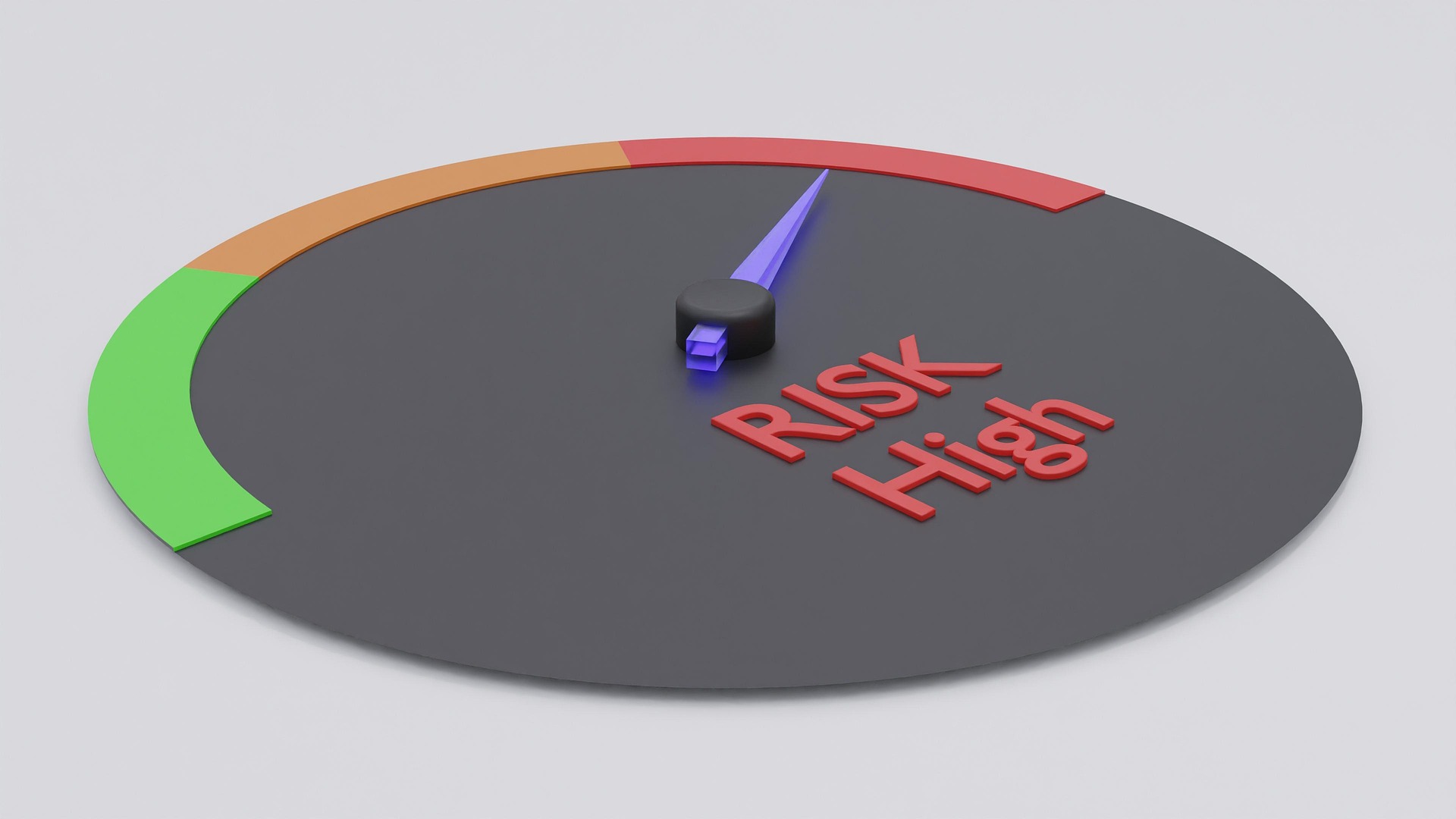
Some costs deserve weekly monitoring simply because they can have a direct and immediate effect on available cash. This is particularly important for businesses operating with tight margins or uneven revenue cycles.
A business can be profitable on paper and still experience financial pressure if cash is leaving the company faster than it is coming in. For this reason, expense monitoring should consider not only profitability but also timing.
Focus On Expenses That Affect Liquidity
Weekly cash-flow monitoring may include:
- Major vendor payments
- Loan payments
- Credit card balances
- Tax obligations
- Rent and lease payments
- Large equipment purchases
- Unexpected repairs
- Professional service fees
- Significant one-time purchases
- Upcoming large invoices
- Other major cash commitments
A profitable business can still experience financial stress if cash leaves the business faster than expected.
Weekly monitoring helps management identify upcoming obligations and determine whether sufficient cash will be available to meet them. It can also highlight expenses that may need to be scheduled differently or approved before payment.
Establish Spending Thresholds
Businesses do not necessarily need to monitor every transaction with the same level of attention. A practical approach is to establish thresholds.
For example, management could require additional review for:
- Purchases above a predetermined dollar amount
- Expenses that exceed the weekly budget
- Costs that increase by a certain percentage
- New recurring charges
- Unusual vendor invoices
- Expenses outside normal operating patterns
- Large one-time purchases
- Transactions without clear business documentation
Thresholds make financial monitoring more efficient because they direct attention toward transactions most likely to affect the company’s financial position.
This approach allows financial oversight to remain efficient without creating unnecessary administrative work. It also gives employees clearer expectations about which purchases require additional authorization.
How To Build A Weekly Expense Monitoring Routine

A weekly financial review does not have to be complicated. The most effective system is one that can be performed consistently and produces information that management can actually use.
The goal is to create a repeatable process rather than another administrative task that becomes difficult to maintain.
Step 1: Identify High-Impact Expenses
Start by listing expenses that have the greatest effect on profitability, cash flow, or operational performance. These are the costs that should receive the most frequent attention.
The list will vary by business. A retailer may focus heavily on inventory and payment processing, while a professional services firm may place greater emphasis on payroll, contractors, and marketing.
Step 2: Establish Weekly Budgets Or Benchmarks
Create reasonable expectations for each major variable expense. These benchmarks can be based on historical spending, projected revenue, production volume, or business goals.
The benchmark should provide context rather than become an arbitrary spending limit.
Step 3: Compare Actual Spending With Expectations
Review actual weekly expenses against the established budget or benchmark. Focus on meaningful differences rather than minor fluctuations.
A small variance may not require action. A significant or repeated variance should prompt further investigation.
Step 4: Investigate Unusual Changes
When a cost exceeds expectations, determine why. The increase may be completely justified, but management should understand the reason rather than allowing unexplained spending to continue.
Documenting the reason for significant variances can also make future financial reviews more useful.
Step 5: Track Trends Over Time
One unusually expensive week does not always indicate a problem. Several consecutive weeks of increasing costs are more significant.
Tracking weekly results over time makes it easier to identify trends and determine whether corrective action is necessary.
Step 6: Connect Expenses To Business Performance
The most useful expense review considers revenue, profitability, production, customer activity, and other relevant metrics alongside spending.
An expense should not automatically be considered problematic simply because it increased. The important question is whether the additional spending is producing an appropriate business benefit.
This prevents businesses from making short-term cost reductions that could ultimately interfere with revenue generation or long-term growth.
Weekly Vs. Monthly Expense Monitoring: What’s The Difference?
Weekly and monthly financial reviews serve different purposes. Businesses do not have to choose one over the other.
Monitoring Frequency | Best For | Primary Purpose |
Weekly | Variable and high-impact expenses | Identify problems quickly |
Monthly | Overall operating expenses | Evaluate financial performance |
Quarterly | Strategic spending patterns | Assess trends and planning |
Annually | Long-term financial structure | Support budgeting and strategy |
Weekly monitoring is essentially an early-warning system. Monthly monitoring provides a broader financial picture.
For example, a business might discover through weekly reviews that advertising costs are rising. The monthly financial statements can then show how that increase affected overall profitability. Both levels of analysis are valuable because they answer different questions.
The weekly review asks, “What is happening right now, and does management need to respond?”
The monthly review asks, “What happened during the period, and what does it tell us about the company’s financial performance?”
Using both approaches gives management a more complete understanding of financial performance. Weekly monitoring provides speed and visibility, while monthly reporting provides context and a broader view of profitability, cash flow, and operating trends.
Conclusion
Not every business expense needs to be monitored weekly. Fixed costs that rarely change, such as certain leases or contracted services, may be adequately reviewed monthly. However, expenses that fluctuate quickly, affect cash flow, influence margins, or can accumulate without much notice deserve more frequent attention.
Payroll, inventory, advertising, transaction fees, variable operating costs, discretionary spending, and cash-flow-sensitive expenses are strong candidates for weekly monitoring. By identifying these costs early, businesses can investigate unusual changes, adjust spending, and make more informed financial decisions before problems become larger.
A disciplined financial management process combines weekly expense monitoring with monthly financial reporting and longer-term strategic analysis. For businesses that want greater visibility into costs, profitability, and cash flow, Clear Action Business Advisors can provide the financial insight and guidance needed to build a more effective approach to business spending.
Frequently Asked Questions
1. Should Every Business Expense Be Monitored Weekly?
No. Weekly monitoring is most useful for expenses that are variable, high-impact, volatile, or closely tied to revenue and cash flow. Stable fixed expenses can generally be reviewed monthly.
2. What Is The Most Important Business Expense To Monitor Weekly?
There is no single expense that is most important for every business. Payroll, inventory, advertising, and cash-flow-sensitive expenses are often strong candidates because changes in these areas can quickly affect profitability and liquidity.
3. How Does Weekly Expense Monitoring Prevent Overspending?
Weekly monitoring identifies unusual increases before they continue for an entire month. This gives management an opportunity to investigate the cause and make adjustments sooner.
4. Should Small Recurring Expenses Be Monitored Weekly?
They should be reviewed regularly, especially when a business has many subscriptions or recurring services. Small expenses can accumulate into high annual costs, making recurring charges an important area for expense control.
5. How Often Should A Small Business Review Its Expenses?
A small business should generally review major variable and high-impact expenses at least weekly while conducting a more comprehensive financial review monthly. The appropriate frequency depends on the company’s size, industry, cash flow, and spending patterns.
6. What Should Businesses Compare When Monitoring Weekly Expenses?
Businesses can compare actual spending against budgets, previous weeks, historical averages, revenue, production levels, and other relevant performance metrics. This provides more context than looking at expenses alone.
7. Can Weekly Expense Monitoring Improve Cash Flow?
Yes. Identifying unexpected or unnecessary spending earlier can help businesses preserve available cash. Weekly monitoring can also help management anticipate upcoming obligations and make better spending decisions.
8. When Should A Business Consider Professional Financial Guidance?
A business may benefit from professional guidance when expenses are becoming difficult to track, profitability is unclear, cash flow is unpredictable, or management needs better systems for budgeting and financial decision-making. An advisor can help establish reporting processes that provide more useful and timely financial information.
