
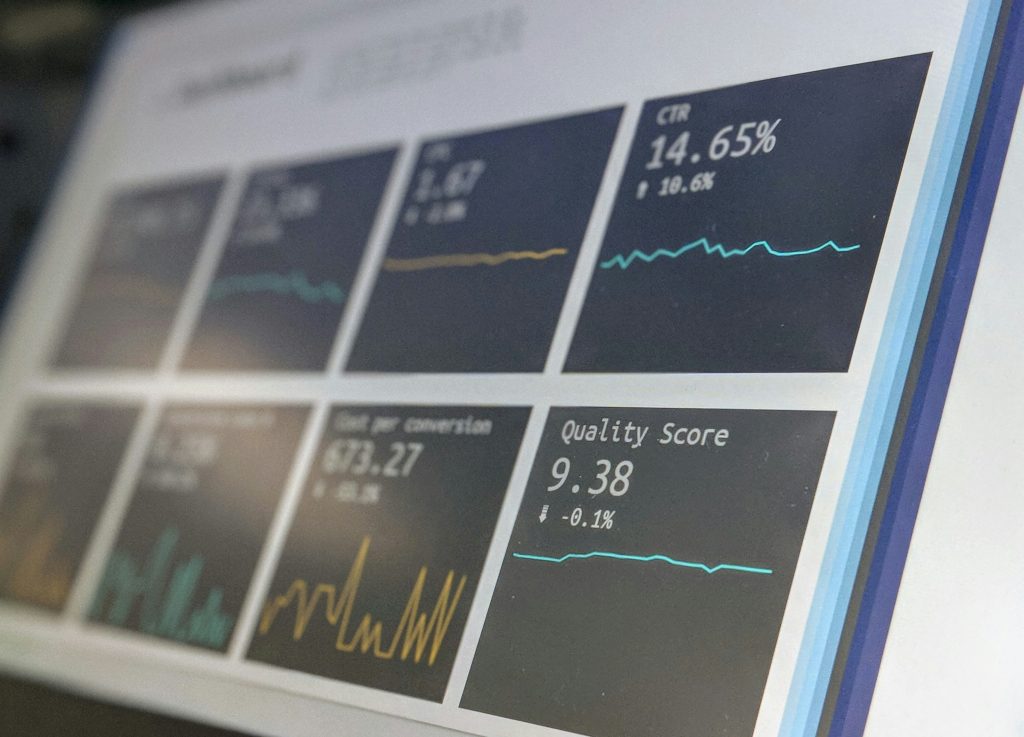
Cost data is more than a record of what a business spends. When analyzed correctly, it can reveal how efficiently an organization uses its people, resources, technology, inventory, facilities, and operating processes. Every expense represents the use of a business resource, and examining those expenses in context can help management determine whether those resources are producing the expected results. A business may appear profitable at the surface level while still experiencing operational inefficiencies that gradually weaken margins and cash flow.
Financial statements provide an essential overview of business performance, but they do not always explain why costs are changing. Detailed cost information can provide that additional layer of insight. For example, increasing labor expenses could be caused by business growth, higher wages, overtime, inefficient scheduling, or excessive rework. Rising inventory costs could reflect increased sales, but they could also indicate over-purchasing, slow-moving products, waste, or poor inventory controls. Similarly, higher technology expenses may represent productive investments in automation or simply the accumulation of unnecessary software subscriptions.
This distinction is important because not every increase in spending represents a problem. A business may intentionally spend more to support expansion, improve quality, increase production capacity, or serve more customers. The key question is whether the additional cost is producing an appropriate return in the form of greater revenue, productivity, capacity, customer value, or another measurable business outcome. Cost analysis helps management make that distinction instead of treating every expense increase as something that needs to be eliminated.
Cost data can also reveal problems that develop gradually. Operational inefficiencies often do not appear as a single large expense. Instead, they may emerge through small increases in overtime, material waste, delivery costs, administrative hours, maintenance expenses, or recurring subscriptions. Individually, these changes may appear insignificant. Collectively, however, they can create substantial pressure on profitability.
For business owners and managers, understanding what cost data reveals about operational efficiency creates an opportunity to make better decisions. Instead of reacting to expenses after they become a problem, leaders can identify trends, investigate unusual variances, and determine whether resources are being used where they generate the greatest value. This shifts financial management from a reactive process to a more proactive approach.
Regular cost analysis can also help businesses establish meaningful performance benchmarks. Rather than looking only at whether total expenses increased or decreased, management can evaluate costs relative to revenue, production volume, customer activity, employee output, or other operational measures. These comparisons can reveal whether the organization is becoming more efficient as it grows or whether additional revenue is being accompanied by disproportionately higher operating costs.
Ultimately, the purpose of analyzing cost data is not simply to spend less. Effective cost management is about understanding the relationship between spending and results. Businesses can use this information to improve productivity, reduce waste, protect profit margins, allocate resources more effectively, and build a more financially sustainable operation.
Key Takeaways
- Cost data can reveal where operational resources are being used inefficiently. Examining labor, inventory, overhead, technology, and other expenses can help identify areas where the business may be using more resources than necessary to achieve a particular result.
- Higher costs do not automatically indicate poor performance. An increase in spending may be justified when it supports business growth, increased production, higher quality, improved customer service, or other measurable benefits. The important consideration is whether the additional spending is generating sufficient value.
- Labor costs can provide important clues about productivity. Changes in payroll, overtime, staffing levels, and labor costs per unit of output can help management determine whether employees are being scheduled and utilized efficiently.
- Inventory costs can reveal waste and working capital problems. Excess inventory, slow-moving products, spoilage, damage, and frequent stockouts can all create unnecessary costs and tie up cash that could otherwise be used elsewhere in the business.
- Overhead trends can show whether the business is scaling efficiently. When administrative and operating expenses consistently grow faster than revenue, management should investigate whether the company’s infrastructure and recurring expenses are appropriately aligned with its current size.
- Technology and recurring expenses deserve regular review. Software subscriptions, service contracts, digital platforms, and other recurring costs can accumulate over time. Reviewing their usage and value can uncover unnecessary or duplicated expenses.
- Comparing costs over time can reveal trends that individual reports may overlook. Month-to-month, quarter-to-quarter, and year-over-year comparisons can help identify gradual increases, unusual fluctuations, and changes in spending patterns.
- Cost-per-unit and cost-per-customer measurements can provide more useful insights than total expenses alone. Total costs may increase simply because a business is growing. Measuring costs against output or customer activity provides better context for determining whether efficiency is improving.
- Unusual cost fluctuations can serve as early warning signs. A sudden increase in materials, labor, maintenance, shipping, or other expenses may indicate a change in supplier pricing, internal processes, productivity, or demand that requires further investigation.
- Cost data should be connected to operational outcomes. The most useful analysis considers whether spending contributes to revenue, productivity, capacity, quality, customer satisfaction, or other meaningful results.
- Effective cost analysis should lead to specific operational improvements rather than simply expense-cutting. Eliminating an expense without understanding its purpose can create new problems. The objective should be to reduce waste and improve efficiency while preserving resources that contribute meaningful value.
- Consistent monitoring makes financial problems easier to address. When businesses regularly review important cost indicators, they are more likely to identify inefficiencies while they are still manageable instead of discovering them after they have significantly affected profitability or cash flow.
Cost Data Shows How Efficiently Resources Are Being Used

Operational efficiency is fundamentally about how effectively a business converts its available resources into useful outputs. Those resources can include employees, equipment, materials, facilities, technology, time, and capital. Every business uses these resources to deliver products or services, but the amount required to produce a particular result can vary significantly depending on how well the organization is structured and managed.
Cost data provides a financial perspective on that resource utilization. It can show management how much the business is spending to perform specific activities and whether those expenditures are producing an appropriate level of output. This makes cost information an important tool for identifying operational strengths and weaknesses.
For example, if payroll expenses increase significantly while production or revenue remains relatively flat, the business may need to investigate whether employees are being used efficiently. The issue could involve excessive overtime, inefficient scheduling, low productivity, administrative bottlenecks, or processes that require more labor than necessary. Similarly, if material costs increase while production volume remains unchanged, management may need to determine whether supplier prices have increased or whether the business is experiencing waste, errors, or inefficient production practices.
The important point is that the expense itself does not necessarily indicate whether the business is operating efficiently. Management needs to understand the relationship between the expense and the result it produces.
Look Beyond Total Expenses
A total expense figure rarely tells the entire story. A business may have higher labor costs because it is growing, which could be positive. Conversely, the same increase could result from inefficiencies.
For example, hiring additional employees may increase payroll, but if those employees allow the company to serve substantially more customers, complete more projects, or increase revenue, the higher cost may be justified. On the other hand, if payroll rises because employees are spending more time correcting mistakes, waiting for approvals, or completing repetitive administrative tasks, the additional expense could signal an operational problem.
Business leaders should consider questions such as:
- Is the additional spending producing additional revenue?
- Has output increased at the same rate as costs?
- Are employees spending too much time on repetitive administrative tasks?
- Are there unnecessary delays or duplicated processes?
- Are resources being allocated to the activities that create the most value?
- Are higher expenses associated with measurable improvements in productivity?
- Is the business paying for resources that are underused?
The relationship between spending and output is often more informative than the expense itself.
Measure Cost Against Results
A useful way to assess efficiency is to connect expenses to measurable business outcomes. Depending on the business, this could involve tracking:
- Cost per unit produced
- Labor cost per project
- Cost per customer served
- Delivery cost per order
- Revenue generated per employee
- Overhead as a percentage of revenue
- Production hours per unit
- Cost of materials per unit
- Average cost of completing a service
- Cost of acquiring or servicing a customer
These measurements provide greater context and help identify whether costs are increasing because the business is expanding or because operations are becoming less efficient.
For example, total delivery expenses might increase because order volume has doubled. That increase may be reasonable if the cost per order remains stable or declines. However, if delivery expenses increase substantially faster than order volume, management may need to investigate routing, staffing, fuel consumption, third-party delivery fees, or other operational factors.
This type of analysis allows business owners to move beyond simply asking, “How much did we spend?” and instead ask, “What did we receive in return for what we spent?”
Rising Labor Costs Can Reveal Productivity Problems
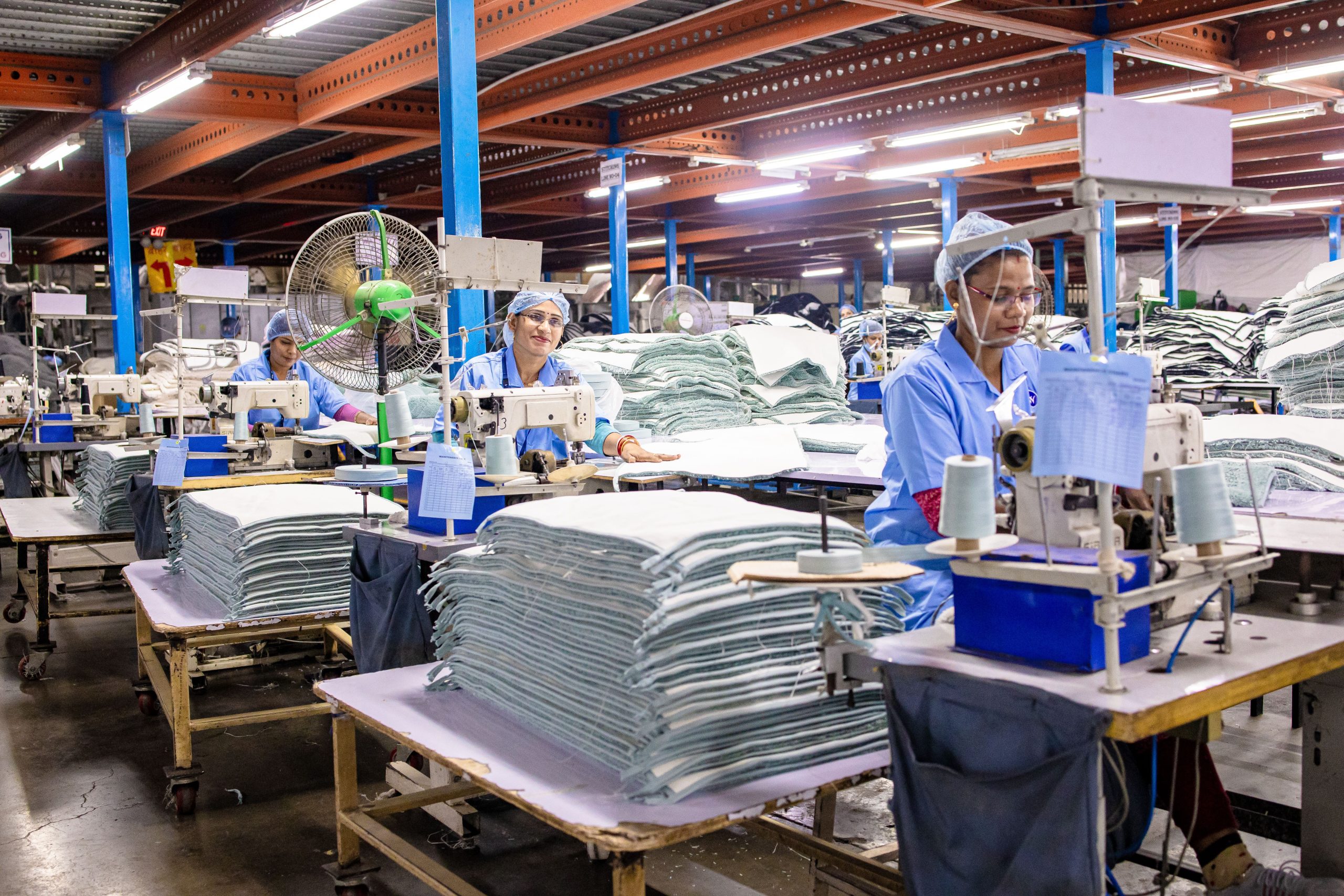
Labor is one of the largest operating expenses for many businesses, making it an important area for efficiency analysis. Increasing payroll costs are not automatically a concern. A growing company may reasonably need additional employees, higher wages, or more working hours. The important question is whether labor costs are producing an appropriate level of output.
Labor costs can also be affected by factors that are not immediately obvious in a standard financial statement. Overtime, employee turnover, temporary staffing, training, absenteeism, rework, and inefficient scheduling can all increase the cost of getting work completed.
Analyze Labor Cost Trends
Businesses can compare labor expenses against revenue, production, completed projects, customer volume, or other relevant measures.
For example, suppose payroll increases by 15% while sales increase by only 3%. That difference does not necessarily mean there is a problem, but it creates a reason to investigate. Management should determine whether the additional labor supported future growth, increased capacity, improved service, or resulted from inefficient processes.
Possible explanations might include:
- Excessive overtime
- Understaffed or overstaffed shifts
- Poor employee scheduling
- Increased rework
- Training inefficiencies
- Low productivity
- Administrative tasks consuming productive hours
- Processes that require unnecessary manual work
- Employee turnover and repeated hiring costs
- Poor allocation of specialized employees
Cost data can therefore act as an early warning system for operational inefficiencies.
Businesses can also compare labor costs across departments, locations, projects, or services. This may reveal that some activities consistently require significantly more labor than expected. Those differences can then be investigated to determine whether they reflect legitimate complexity or inefficient processes.
Separate Necessary Labor From Avoidable Labor
Another useful step is determining how much labor is required to perform essential work versus how much time is being consumed by avoidable activities.
Rework, correcting errors, resolving preventable customer issues, manually entering information that could be automated, or waiting for approvals can all create labor costs without directly increasing customer value.
For example, an employee may spend several hours each week correcting information entered incorrectly earlier in the process. The business is paying for that labor, but the additional time does not necessarily create additional value. Improving the original process could reduce the need for corrective work and allow the employee to focus on higher-value activities.
Identifying these activities can help management determine where process improvements may have a greater financial impact than simply reducing headcount.
This is an important distinction because cutting employees may reduce payroll in the short term while leaving the underlying inefficiency intact. If the remaining employees must work longer hours or take on excessive workloads, productivity and service quality may eventually decline.
A better approach is to determine why labor is being consumed and whether the process itself can be improved.
Inventory Costs Can Expose Waste And Process Inefficiencies

For businesses that sell products, inventory costs can provide valuable insight into operational performance. Inventory represents capital that has already been committed to goods that have not necessarily generated revenue yet. When inventory levels are not managed effectively, the business can experience unnecessary costs while having less cash available for other priorities.
Excess inventory ties up cash, increases storage requirements, and can create additional risks related to damage, obsolescence, and shrinkage.
At the same time, insufficient inventory can lead to stockouts, delayed orders, lost sales, and dissatisfied customers. Efficient inventory management therefore requires a balance between having enough product to meet demand and avoiding unnecessary accumulation.
Look At Inventory Turnover
Inventory turnover helps businesses understand how frequently inventory is being sold and replaced over a period of time. A declining turnover rate may indicate that products are sitting in storage longer than expected.
However, the appropriate level of inventory varies by industry and business model. Management should evaluate inventory trends alongside:
- Sales volume
- Purchasing patterns
- Seasonal demand
- Supplier lead times
- Product profitability
- Stockout frequency
- Obsolete or slow-moving inventory
- Customer ordering patterns
A decline in inventory turnover does not automatically mean that inventory management is poor. A business may intentionally build inventory before a busy season or in anticipation of supplier shortages. The important issue is understanding the reason for the change.
Identify The Cost Of Inventory Problems
Inventory inefficiency can create several different costs, including:
- Storage expenses
- Insurance
- Handling and transportation
- Spoilage
- Product damage
- Obsolescence
- Shrinkage
- Financing costs
- Lost sales from stockouts
These costs can accumulate even when they do not appear as a single obvious expense category.
For example, slow-moving products may occupy warehouse space that could otherwise be used for faster-selling items. Overstocking may also tie up cash that could be invested in marketing, equipment, staffing, debt reduction, or other productive activities.
Cost data can help management determine whether inventory practices are supporting efficient operations or unnecessarily consuming working capital.
Businesses can also examine inventory costs by product category. If one category consistently experiences high storage costs, low turnover, or significant write-offs, management may need to reassess purchasing quantities, pricing, product selection, or sales strategies.
Overhead Costs Reveal How Efficiently The Business Is Structured

Overhead expenses are often overlooked because they are not directly associated with individual products or services. Yet rent, utilities, insurance, software, administrative expenses, professional services, and other overhead can have a significant effect on profitability.
Analyzing overhead can reveal whether the organization’s infrastructure is appropriately sized for its current level of activity.
A business that grows successfully may be able to spread relatively stable overhead across a larger revenue base. This can improve operating efficiency. However, if overhead continually expands without corresponding growth in revenue or productivity, the business may be building an increasingly expensive structure.
Watch For Overhead Growing Faster Than Revenue
One important indicator is the relationship between overhead and revenue.
If revenue increases while overhead remains relatively stable, the business may be benefiting from operating leverage. But if overhead consistently grows faster than revenue, management should examine what is driving the increase.
Potential causes include:
- Additional office or facility costs
- Growing software subscriptions
- Increased administrative staffing
- Higher insurance premiums
- Unnecessary services
- Duplicated technology platforms
- Expanding professional fees
- Costs associated with inefficient processes
The goal is not to eliminate every overhead expense. Some overhead supports growth and risk management. The objective is to understand whether each significant expense contributes enough value to justify its cost.
For instance, investing in accounting, technology, insurance, or professional support may be appropriate if those resources help the business operate more effectively or manage risk. The issue is whether the expense remains appropriate for the organization’s current needs.
Review Recurring Expenses
Recurring expenses deserve particular attention because small increases can accumulate over time.
A company may add several software tools, subscriptions, memberships, service contracts, or administrative services without realizing how much those commitments collectively cost each year.
Regular reviews can determine whether these services are:
- Still being used
- Providing measurable value
- Duplicating another service
- Appropriately sized for the business
- Necessary for current operations
A recurring expense that costs only a modest amount each month may not attract attention individually. However, dozens of similar expenses can create a substantial annual cost.
Reviewing recurring expenses also helps ensure that the company’s cost structure remains aligned with its current stage of development. A tool that was valuable when the business was smaller may no longer be necessary after processes, staffing, or technology have changed.
Cost Per Unit Or Customer Can Reveal Hidden Inefficiencies
Total costs can sometimes hide operational problems. A more useful approach may be to calculate the cost associated with a specific unit of output.
Depending on the business, that unit could be a product, project, service, order, customer, appointment, or transaction.
Track Unit Economics
For example, a business might calculate:
Cost per unit = Total relevant costs ÷ Number of units produced
A service business could instead examine the cost of delivering each project or serving each customer.
This can reveal changes that are difficult to see in overall financial statements. If total expenses increase because sales are growing rapidly, the business may still be becoming more efficient if the cost per unit is declining.
Conversely, stable total expenses can conceal declining efficiency if the volume of output is falling.
For example, a company might spend $100,000 to produce 10,000 units, resulting in a cost of $10 per unit. If the business later spends $120,000 but produces 15,000 units, its cost per unit has actually fallen to $8. The total expense increased, but operational efficiency improved.
This is why evaluating cost in relation to output is often more useful than looking at the total expense alone.
Compare High-Cost And Low-Cost Activities
Businesses can also compare the costs associated with different products, customers, services, locations, projects, or operating processes.
This analysis may reveal that:
- Certain services require substantially more labor.
- Some customers require excessive support.
- Specific products generate disproportionate waste.
- Certain projects consistently experience cost overruns.
- Particular processes take longer than expected.
- Some locations have significantly higher operating costs.
- Certain types of transactions require more administrative effort.
These insights can support better pricing, scheduling, resource allocation, and operational planning.
For example, if a particular service consistently requires substantially more labor than other services but is priced similarly, management may need to reconsider the pricing structure. Alternatively, the business may discover that the service is inefficient to deliver and identify opportunities to simplify the process.
Cost-per-customer analysis can also be valuable. A customer generating substantial revenue may appear highly profitable until the business considers the labor, support, delivery, customization, and administrative costs required to serve that customer.
Cost Variations Can Identify Problems Before They Become Serious

One of the most valuable uses of cost data is identifying unusual changes. A significant variance from historical spending, budget expectations, or operational targets can provide an early indication that something has changed.
A variance does not automatically mean something is wrong. There may be legitimate reasons for higher or lower costs. The important step is determining why the variance occurred.
Investigate Significant Variances
When costs differ substantially from expectations, management can ask:
- What changed?
- When did the change begin?
- Was the change temporary or ongoing?
- Was the increase caused by price, volume, or efficiency?
- Did the business receive additional value from the spending?
- Is the variance likely to continue?
For example, a rise in materials costs could result from higher supplier prices rather than internal inefficiency. On the other hand, increased material usage could indicate waste, production errors, or quality-control problems.
Understanding the underlying cause makes cost data much more useful.
Management should also avoid assuming that every unfavorable variance requires immediate cost reduction. Sometimes an increase is temporary and justified. The goal of variance analysis is to understand the change before deciding what action is appropriate.
Use Historical Comparisons
Comparing current costs with previous periods can help identify trends.
Useful comparisons include:
- Month over month
- Quarter over quarter
- Year over year
- Actual versus budget
- Actual versus forecast
- Cost per unit over time
- Cost as a percentage of revenue
Trend analysis can reveal gradual deterioration that might otherwise go unnoticed.
For example, a business may experience a 2% increase in a particular expense each month. No single increase may appear significant, but several consecutive increases can eventually have a material effect on profitability.
Historical comparisons can also reveal seasonal patterns. A business may naturally experience higher expenses during certain periods, making it important to distinguish normal seasonal fluctuations from genuine operational problems.
The more consistently management reviews these patterns, the easier it becomes to identify changes while there is still time to respond.
Cost Data Can Guide Operational Improvements
The ultimate purpose of analyzing cost data is not simply to produce reports. The information should support better operational decisions.
Once an inefficiency has been identified, management can determine what action is appropriate. Depending on the issue, the solution might involve changing a process, renegotiating supplier terms, adjusting staffing levels, automating repetitive work, improving inventory management, or eliminating an unnecessary expense.
Cost information becomes most valuable when it leads to a specific decision or improvement.
Prioritize High-Impact Opportunities
Not every cost problem deserves the same level of attention. Businesses should prioritize issues based on their potential financial and operational impact.
A practical approach is to evaluate each opportunity based on:
- Total annual cost
- Potential savings
- Impact on productivity
- Effect on customer experience
- Implementation difficulty
- Risk of disruption
- Long-term sustainability
For example, eliminating a minor expense may save a few hundred dollars annually, while reducing rework on a major service process could save thousands of dollars while also improving customer satisfaction.
Businesses should therefore consider both the size of an expense and the potential impact of changing it.
A relatively small cost may deserve immediate attention if it contributes to a much larger problem. For example, a small recurring software expense may not be significant by itself, but if it represents a duplicate system that causes employees to enter information into multiple platforms, eliminating the duplication could improve both cost control and productivity.
Avoid Cutting Costs Without Understanding Their Purpose
Cost reduction is not synonymous with operational efficiency.
A business can reduce expenses and still become less efficient if it cuts resources that support productivity, quality, customer service, or future growth.
For this reason, every major cost reduction decision should consider both the expense and the value it provides.
The better question is not simply, “How can we spend less?”
It is:
“How can we achieve the same or better results with the resources we use?”
That distinction helps businesses pursue sustainable efficiency rather than short-term savings that create larger problems later.
For example, reducing employee training may lower expenses temporarily but could increase errors, rework, turnover, or customer service problems. Similarly, choosing a lower-cost supplier could reduce purchasing expenses but create quality issues or delivery delays.
Operational efficiency requires a broader perspective. Businesses need to understand the total effect of a decision rather than focusing exclusively on the immediate reduction in spending.
Turn Cost Insights Into Ongoing Improvements
Cost analysis should not be treated as a one-time exercise. Business conditions change, and an operating process that is efficient today may become less effective as the company grows.
Regular monitoring allows management to determine whether improvements are actually producing the expected results.
After implementing a change, leaders can compare:
- Costs before and after the change
- Productivity before and after the change
- Output levels
- Error or rework rates
- Customer service outcomes
- Revenue or margin changes
- Employee time requirements
This creates a feedback loop between financial information and operational management.
The goal is to create an organization where cost data does not simply describe what happened in the past. Instead, it becomes a practical tool for identifying opportunities, evaluating decisions, and improving future performance.
When businesses consistently connect costs to operational outcomes, they are better positioned to protect margins, use resources efficiently, and make informed decisions about growth.
Conclusion
Cost data can reveal much more than where money is being spent. When connected to revenue, productivity, output, inventory, labor, and other operational measurements, it can show whether a business is using its resources efficiently and where opportunities for improvement may exist.
For business owners, the most valuable cost analysis goes beyond identifying expensive categories. It examines trends, investigates variances, measures unit economics, and connects spending to operational outcomes. This creates a clearer picture of what is working, where resources are being wasted, and which improvements could have the greatest financial impact.
Clear Action Business Advisors can help businesses turn financial information into actionable insights. With a disciplined approach to cost analysis and operational planning, business leaders can make more informed decisions, improve efficiency, and build stronger financial performance over time.
Frequently Asked Questions
1. What Does Cost Data Reveal About A Business?
Cost data can reveal how resources are being allocated and whether spending is producing sufficient operational value. It can identify trends in labor, inventory, overhead, materials, technology, and other expenses while highlighting potential inefficiencies.
2. How Does Cost Analysis Improve Operational Efficiency?
Cost analysis helps businesses identify unnecessary spending, resource waste, process inefficiencies, and unfavorable cost trends. Management can then use those insights to improve processes, allocate resources more effectively, and control expenses without unnecessarily reducing valuable capabilities.
3. Which Business Costs Should Be Monitored For Efficiency?
Businesses should generally monitor labor, materials, inventory, overhead, technology, facilities, transportation, and other significant operating costs. The specific categories depend on the company’s business model and operating structure.
4. Can Higher Costs Indicate Better Efficiency?
Yes. Higher costs do not necessarily mean a business is becoming less efficient. For example, increased spending on employees, equipment, or technology may support significant growth in revenue or output. The key is to evaluate costs in relation to the results they produce.
5. What Is Cost Per Unit?
Cost per unit measures how much it costs to produce or deliver one unit of output. Depending on the business, the unit could be a product, order, project, service, or customer. Tracking this metric over time can help identify whether operational efficiency is improving or declining.
6. How Often Should Businesses Analyze Cost Data?
The appropriate frequency depends on the type and size of the business. Important operating costs may benefit from weekly or monthly monitoring, while broader strategic cost reviews can be conducted monthly, quarterly, or annually. The key is to review important costs frequently enough to identify meaningful changes before they become larger problems.
7. Should Businesses Focus Primarily On Reducing Costs?
No. The goal should be to improve the relationship between resources and results. Cutting expenses without understanding their purpose can negatively affect productivity, quality, customer service, or growth. Effective cost management focuses on eliminating waste while preserving or improving valuable business activities.
8. How Can Business Owners Use Cost Data To Make Better Decisions?
Business owners can use cost data to compare actual spending with budgets, analyze trends, calculate cost per unit, investigate variances, identify inefficient processes, and evaluate the return generated by major expenses. These insights can support better pricing, staffing, purchasing, investment, and operational decisions.


