

Business costs rarely become a problem overnight. In many cases, excessive spending develops gradually through small increases in payroll, subscriptions, supplier prices, overhead, inventory, and other operating expenses. Each individual change may appear manageable, but when several expenses rise at the same time, the combined impact can put significant pressure on profitability and cash flow. Financial statements can often reveal these changes before they become serious problems—if business owners know which warning signs to watch.
Regularly reviewing financial information gives business leaders an opportunity to identify unfavorable trends while there is still time to respond. A rising expense ratio, declining gross margin, increasing payroll costs, or growing accounts payable balance can all signal that the company’s cost structure is changing. By monitoring these indicators consistently, businesses can investigate the underlying causes and take corrective action before unnecessary spending becomes entrenched.
Key Takeaways
- Rising expenses can become dangerous when they consistently grow faster than revenue.
- Declining gross margins may indicate increasing costs, pricing problems, or both.
- Payroll should be monitored closely when labor costs rise without a corresponding increase in productivity or revenue.
- Recurring expenses can gradually accumulate and create significant financial pressure.
- Increasing accounts payable may indicate that operating costs are becoming harder to fund from available cash.
- Inventory increases can tie up cash and create additional storage, handling, and carrying costs.
- Budget variances can reveal cost problems before they appear as major losses on the income statement.
- Financial trends are often more useful than isolated monthly figures when evaluating cost control.
- Early investigation gives business owners more options to reduce expenses without disrupting operations.
Expenses Are Growing Faster Than Revenue

One of the clearest warning signs that costs may be getting out of control is when expenses consistently increase faster than revenue. A business can generate more sales and still become less financially healthy if the cost of generating those sales grows at an even faster rate. Revenue growth is generally positive, but revenue alone does not determine whether a company is becoming more profitable. Business owners also need to understand how much additional spending is required to produce that growth.
For example, suppose a company increases revenue by 8% over the course of a year while operating expenses increase by 15%. The business is spending significantly more to support a relatively smaller increase in sales. If this trend continues, the additional revenue may not translate into stronger profitability. Instead, more of every dollar earned may be consumed by operating expenses.
This can happen during periods of expansion when businesses add employees, locations, equipment, software, marketing campaigns, professional services, or other resources in anticipation of higher sales. These investments may be appropriate, but they can create financial pressure if revenue does not grow as expected.
Look Beyond Total Expenses
A total expense figure does not always tell the full story. Business owners should examine individual categories and compare them with revenue over time. An increase in total expenses may be reasonable if the business has expanded significantly. The more important question is whether each major expense is increasing at a rate that makes sense relative to the company’s activity.
Useful comparisons include:
- Operating expenses as a percentage of revenue
- Payroll as a percentage of revenue
- Marketing expenses compared with sales generated
- Occupancy costs compared with revenue
- Administrative expenses compared with prior periods
- Cost of goods sold compared with sales
- Technology and software expenses compared with business activity
- Professional service fees compared with revenue
- Insurance and other overhead costs compared with prior periods
These comparisons provide more useful information than simply looking at whether an expense increased in dollar terms. For instance, a company may increase its marketing budget from $50,000 to $60,000 in a year. A $10,000 increase might initially appear concerning. However, if revenue generated by the marketing program increased substantially at the same time, the additional spending may be justified.
On the other hand, if marketing costs increase while sales remain flat, management should investigate whether the additional spending is producing a sufficient return.
Look For Multiple Expense Categories Moving In The Same Direction
A single expense increase does not necessarily indicate that costs are getting out of control. The concern becomes more significant when several categories begin increasing simultaneously.
For example, a business might experience:
- Higher payroll expenses
- Increased software subscriptions
- Rising insurance premiums
- Higher rent or occupancy costs
- Increased professional service fees
- Greater advertising expenses
Each increase may have a reasonable explanation. However, when several costs rise at once, the cumulative effect can significantly change the company’s financial position. This is why financial analysis should look for patterns rather than isolated transactions.
Why the Expense-to-Revenue Relationship Matters
Looking at expenses in relation to revenue helps reveal whether the company is becoming more or less efficient.
For instance, if revenue increases from $1 million to $1.1 million while operating expenses increase from $600,000 to $700,000, the company is generating more sales but using a larger proportion of those sales to cover operating costs.
In the first period, operating expenses represented 60% of revenue. In the second, they represent approximately 63.6%. That difference may appear small, but if the trend continues, it can have a meaningful effect on profitability.
The same principle applies to individual expense categories. If payroll represented 25% of revenue last year and 29% this year, management should determine what caused the change.
The increase could be justified by hiring employees to support future growth. It could also indicate that staffing levels are too high for current sales volume, overtime is increasing, productivity has declined, or compensation costs have changed.
Revenue Growth Does Not Always Mean Healthy Growth
It is easy to assume that a business performing more sales is automatically becoming financially stronger. That is not always the case.
A company can experience strong revenue growth while simultaneously experiencing:
- Declining gross margins
- Increasing overhead
- Higher payroll costs
- Greater borrowing requirements
- Lower operating cash flow
- Increasing accounts payable
This is sometimes a sign that the company is growing inefficiently. Healthy growth generally requires the business to understand how much additional cost is necessary to generate each additional dollar of revenue. If the cost structure expands disproportionately, management may need to reconsider how resources are being allocated.
Identify The Expenses Driving The Increase
When expenses begin growing faster than revenue, business owners should identify which categories are responsible for the change.
Start by comparing current financial statements with previous periods. Look for both large dollar increases and unusually fast percentage increases.
Then ask:
- When did the increase begin?
- Was the increase planned?
- What caused it?
- Is the expense recurring?
- Is it directly related to increased revenue?
- Is the expense generating measurable value?
- Can the expense be reduced without harming operations?
- Is the increase likely to continue?
Answering these questions can turn a general concern about “high expenses” into a specific cost-management opportunity.
Gross Profit Margins Are Declining

Gross profit margin is another important financial indicator because it shows how much revenue remains after accounting for the direct costs associated with producing or delivering products and services.
A declining gross margin can be an early warning sign that costs are increasing faster than pricing or sales. It can also indicate that the company’s current pricing structure is no longer sufficient to cover the cost of delivering what it sells.
For example, a company may maintain steady revenue while experiencing higher material costs, supplier prices, shipping charges, subcontractor fees, or direct labor expenses. If prices are not adjusted accordingly, the company may generate the same amount of revenue while keeping less gross profit.
Consider a business that generates $500,000 in sales. If direct costs are $300,000, its gross profit is $200,000, producing a 40% gross margin. If direct costs later increase to $325,000 while sales remain at $500,000, gross profit falls to $175,000, and the gross margin drops to 35%.
The company has not lost revenue, but it has become less profitable at the gross-profit level.
What Can Cause Gross Margins To Fall?
Several factors can contribute to declining gross margins, including:
- Supplier price increases
- Higher material costs
- Rising direct labor expenses
- Increased shipping or transportation costs
- Production inefficiencies
- Excessive waste
- Discounting or frequent promotions
- Pricing that has not been updated
- Changes in product or service mix
- Increased subcontractor costs
- Higher fulfillment costs
- Increased returns or rework
- Lower productivity
Some of these factors are external, while others are within management’s control. For example, a supplier may increase prices because of higher manufacturing or transportation costs. The business may have little control over the supplier’s decision, but it can evaluate whether to negotiate different terms, identify alternative suppliers, adjust pricing, or modify its product mix.
Declining Margins Can Reveal Pricing Problems
Sometimes a business’s costs have not increased dramatically, but its prices have failed to keep up with those costs. This can occur when companies are reluctant to increase prices because they are concerned about losing customers. However, maintaining outdated pricing indefinitely can gradually erode profitability.
Businesses should periodically evaluate whether current prices reflect:
- Current material costs
- Labor costs
- Overhead
- Supplier pricing
- Delivery costs
- Market conditions
- Desired profit margins
Pricing should not be based solely on what competitors charge or what customers were previously willing to pay. It should also account for the company’s actual cost structure.
Changes In Product Or Service Mix Can Affect Margins
A declining overall gross margin does not always mean every product or service has become less profitable. The problem may be a change in what the business is selling.
For example, a company may have several products with different margins. If high-margin products make up a smaller percentage of total sales while lower-margin products become more popular, the company’s overall gross margin can decline even if individual product costs remain stable.
This makes it important to analyze margins by:
- Product
- Service
- Customer
- Location
- Project
- Sales channel
This level of analysis can help reveal where profitability is actually being generated.
Monitor Margin Trends, Not Just Profit
A business can report a profit while still experiencing an unfavorable margin trend. If gross margin has steadily declined for several quarters, the company may be moving toward a situation where its existing pricing and cost structure becomes unsustainable.
Tracking gross margin regularly allows owners to identify this trend earlier and determine whether the appropriate response involves renegotiating supplier terms, reducing waste, adjusting prices, improving productivity, or changing the sales mix. The key is to address declining margins before they become a significant threat to the company’s overall profitability.
Payroll Costs Are Rising Without Equivalent Growth
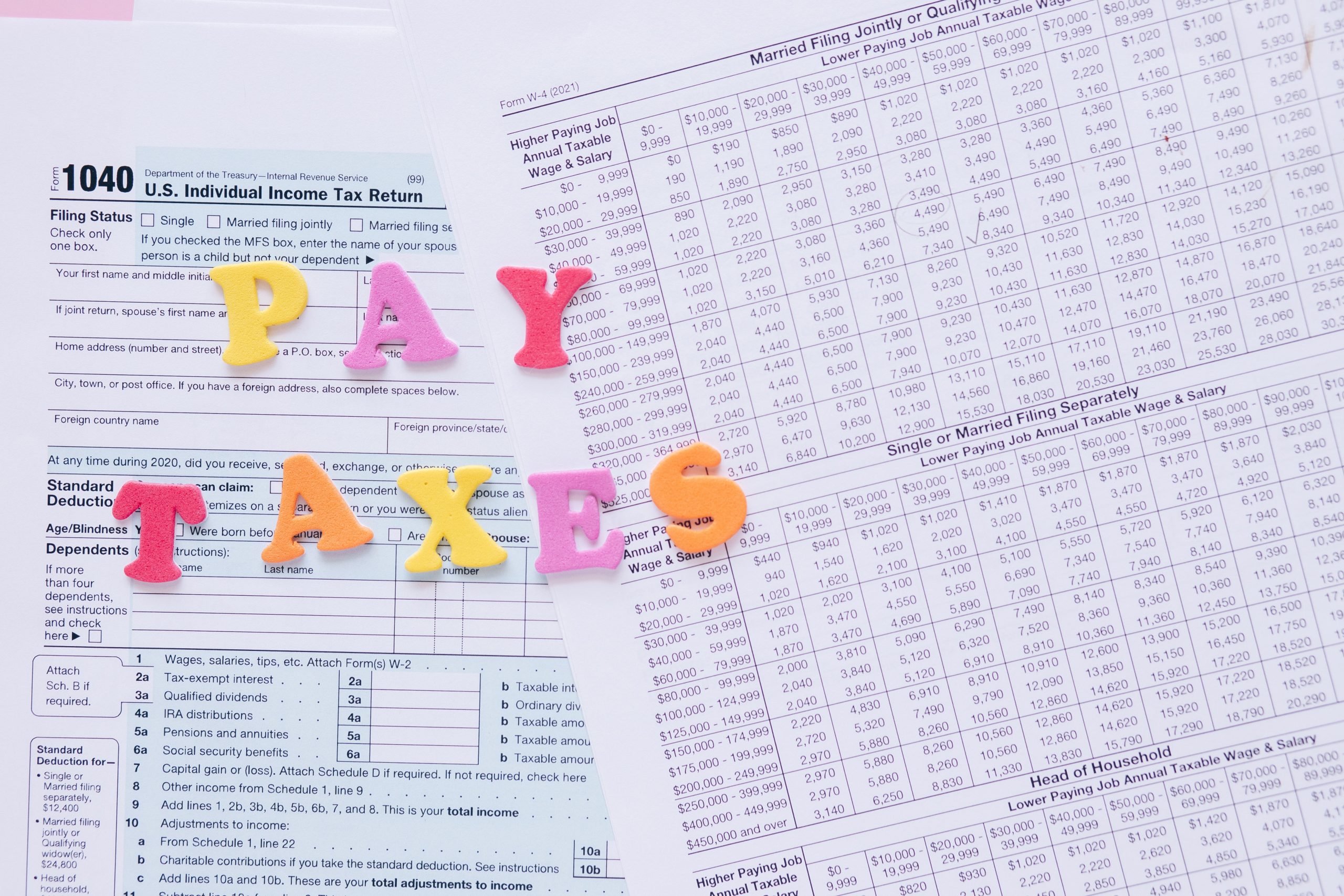
For many businesses, payroll is one of the largest operating expenses. Increasing labor costs are not necessarily a problem, particularly when additional employees support growth. The warning sign appears when payroll increases without a corresponding improvement in revenue, productivity, capacity, or business output.
For example, hiring additional employees may be justified when sales are increasing rapidly. However, if payroll continues to rise while revenue remains flat, labor costs can begin consuming a larger percentage of available income.
Payroll costs also extend beyond base wages or salaries. Employers may need to account for payroll taxes, benefits, overtime, bonuses, commissions, paid leave, training, recruiting, and other employee-related costs.
Watch Payroll As A Percentage Of Revenue
Rather than reviewing payroll only as a dollar amount, compare it with revenue.
A useful analysis may include:
- Total payroll as a percentage of revenue
- Overtime costs
- Contractor expenses
- Benefits and payroll taxes
- Revenue per employee
- Labor costs by department
- Labor costs by project or service line
- Commission and bonus expenses
- Employee turnover and replacement costs
These measurements can help identify whether staffing levels and compensation costs are aligned with business activity. For example, if revenue increases by 5% while payroll increases by 15%, management should investigate the difference. There may be a valid reason, such as hiring ahead of expected growth. However, if revenue does not eventually catch up, the company may be carrying a labor cost structure that is too large for its current level of activity.
Rising Overtime Can Be An Early Warning
Overtime deserves particular attention because it can indicate operational inefficiencies.
Consistently high overtime may suggest:
- Staffing shortages
- Poor scheduling
- Increased workload
- Inefficient processes
- Excessive employee turnover
- Problems with production planning
- Seasonal demand that has not been properly addressed
- Excessive reliance on a small number of employees
Overtime can sometimes be more expensive than adding staff or changing processes. If employees are routinely working extra hours, management should determine whether the additional labor reflects healthy demand or an underlying operational problem.
Revenue Per Employee Can Provide Additional Insight
Revenue per employee is another useful measurement, particularly for businesses where labor represents a significant portion of operating costs.
If the number of employees increases substantially but revenue remains relatively unchanged, productivity may be declining.
However, this metric should be interpreted carefully. Not every employee directly generates revenue, and some positions are necessary to support compliance, administration, customer service, technology, or other business functions.
The purpose is not to establish a universal “correct” number of employees. Instead, the goal is to understand whether staffing costs are consistent with the company’s size, operating model, and current workload.
Do Not Automatically Solve Payroll Problems With Layoffs
When payroll increases, the immediate reaction may be to reduce headcount. That may not always be the best financial decision.
The underlying issue could be:
- Poor scheduling
- Excessive overtime
- Inefficient workflows
- Manual processes
- Underutilized technology
- High employee turnover
- Inadequate training
- Poor project management
The solution is not always to cut labor. Sometimes the better financial decision is to hire additional employees, improve scheduling, automate repetitive tasks, or redesign a process.
The goal is to understand why labor costs are increasing before making a decision that could damage productivity or service quality.
Recurring Expenses Keep Accumulating
Small recurring expenses are easy to overlook because individual charges may not appear significant. However, subscriptions, software licenses, service agreements, memberships, maintenance contracts, communication services, and other recurring costs can gradually become a substantial part of a company’s overhead.
This is sometimes referred to as expense creep. Expense creep can be particularly difficult to detect because the individual transactions are usually predictable. A $30 monthly subscription may not attract much attention when reviewing financial statements. But dozens of similar charges can represent thousands or tens of thousands of dollars in annual spending.
Small Monthly Charges Can Become Large Annual Costs
Consider a business with 20 different subscriptions averaging $75 per month. The total is $1,500 per month, or $18,000 per year.
If some of those subscriptions are rarely used, the company may be paying thousands of dollars for services that provide little measurable value.
The same principle applies to:
- Software licenses
- Cloud storage
- Online platforms
- Professional memberships
- Equipment leases
- Maintenance contracts
- Data services
- Telephone services
- Advertising tools
- Payment processing services
- Online training platforms
- Scheduling systems
- Communication tools
A business may also accumulate duplicate services as different departments independently purchase software to solve similar problems.
Recurring Expenses Can Become Hidden Overhead
The challenge with recurring expenses is that they often do not require a new purchasing decision every month. Once a subscription or contract is established, payments may continue automatically.
This can create a situation where management is effectively paying for historical decisions rather than current business needs.
A service that was valuable two years ago may no longer be necessary. An employee who originally needed a particular software license may have left the company. A business may have switched platforms but forgotten to cancel the old service.
These situations can create unnecessary spending without anyone intentionally increasing the company’s expenses.
Review Recurring Expenses Regularly
A recurring expense review should identify:
- What the company is paying for
- Who uses the service
- How frequently is it used
- Whether the service contributes to revenue or efficiency
- Whether a lower-cost option is available
- Whether the service duplicates another tool
- Whether the company still needs it
- Whether the current contract terms remain appropriate
- Whether unused licenses can be canceled
Businesses may also benefit from assigning responsibility for recurring services. Knowing who owns each subscription or vendor relationship can make it easier to determine whether the expense is still necessary.
Calculate The Annual Cost
Looking only at monthly charges can make expenses appear smaller than they really are.
Instead of asking whether a $100 monthly subscription is affordable, calculate the annual cost:
$100 × 12 months = $1,200 per year.
Multiply that across several services, and the financial impact becomes much clearer.
This approach can help management prioritize which recurring costs deserve further review.
The objective is not to eliminate every expense. Some recurring costs are essential and provide significant value. The objective is to make sure the company continues paying for expenses that support current business needs.
Accounts Payable And Outstanding Bills Are Increasing

An increase in accounts payable can be another important warning sign. Accounts payable represents amounts the business owes to suppliers and other vendors. A growing balance can be normal when a company is expanding, but a persistent increase may indicate that expenses are becoming harder to fund from available cash.
Accounts payable can also provide insight into the timing of a company’s cash flow. A business may have enough revenue on paper but still struggle to pay bills on time if customers are slow to pay, inventory is consuming cash, or operating expenses have increased.
When Growing Payables Become Concerning
Business owners should pay attention when:
- Vendor balances remain unpaid longer than normal
- The company frequently delays payments
- Supplier credit terms are being stretched
- Late payment fees are increasing
- Vendors begin requesting payment before delivering services
- The business relies heavily on short-term credit to cover ordinary expenses
- The accounts payable aging report shows increasingly older balances
- The company repeatedly moves bills from one payment period to another
One delayed payment may not mean much. A consistent pattern of delayed payments deserves closer attention. These signs can indicate a cash flow problem rather than simply a bookkeeping issue.
Profitability And Cash Flow Are Different
A profitable business can still experience cash shortages if cash is tied up in inventory, accounts receivable, equipment, or other assets. For example, a company may record significant sales but have customers who take 60 or 90 days to pay. Meanwhile, suppliers may expect payment within 30 days.
The company can therefore appear profitable while struggling to meet its immediate obligations.
His distinction is important when evaluating increasing accounts payable. Management should determine whether the problem is caused by timing or whether the company simply does not generate enough cash to support its current cost structure.
Compare Payables With Cash Flow
Accounts payable should not be viewed in isolation.
Business owners should consider the relationship between:
- Accounts payable
- Cash on hand
- Accounts receivable
- Operating expenses
- Monthly cash flow
- Debt obligations
- Vendor payment terms
If payables are increasing while operating cash flow is weakening, the company may be approaching a point where normal expenses become difficult to fund. Identifying the problem early can provide more opportunities to improve collections, adjust spending, negotiate terms, or restructure expenses.
Watch The Aging Of Payables
The total accounts payable balance is only part of the picture. Businesses should also review how long individual balances have been outstanding.
An aging report can help categorize amounts according to how long they have been unpaid. A growing proportion of older balances may indicate increasing financial pressure. For example, if a business historically paid most vendors within 30 days but now has a substantial amount of invoices that are 60, 90, or more days overdue, management should investigate why.
The objective is not simply to pay every bill as quickly as possible. Businesses should manage payment timing strategically while ensuring that obligations remain manageable and relationships with important suppliers are protected.
Inventory and Other Assets Are Consuming More Cash
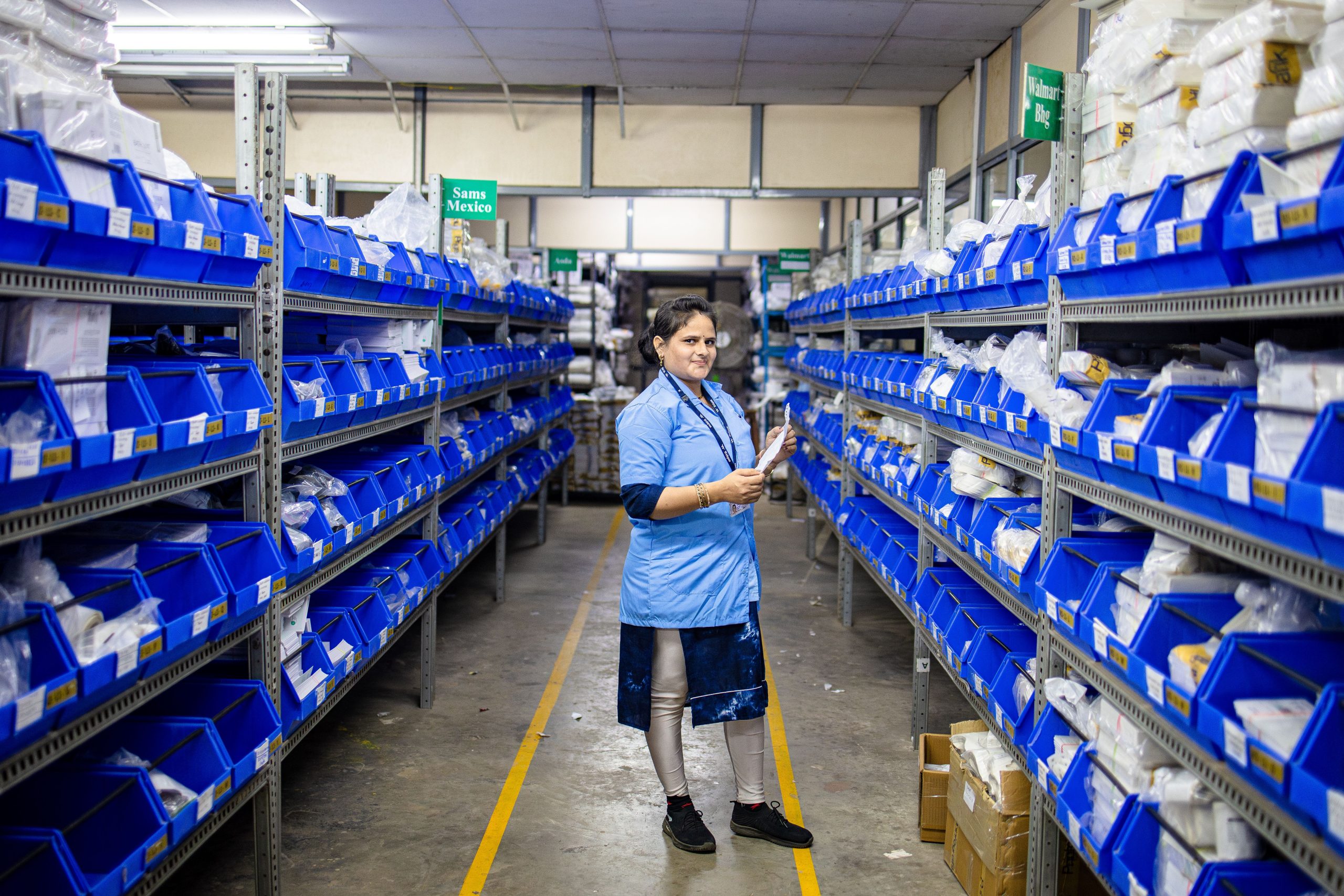
Inventory can create a hidden cost problem because purchasing inventory uses cash even when the expense does not immediately appear as an operating expense on the income statement.
A company may appear profitable while having a significant amount of cash tied up in products sitting in storage. This is particularly important for businesses that purchase inventory well in advance of sales. Money that could otherwise be used for payroll, debt payments, marketing, equipment, or other operational needs may remain tied up in products that have not yet been sold.
Warning Signs In Inventory
Potential warning signs include:
- Inventory growing faster than sales
- Products remaining in storage for extended periods
- Increasing obsolete or slow-moving inventory
- More warehouse space is being required
- Higher inventory handling costs
- Frequent markdowns
- Increased inventory shrinkage
- Large purchases that are not supported by demand
- Increasing write-offs
- More frequent clearance sales
Excess inventory can create several costs at once. The company pays to purchase the products, store them, insure them, handle them, and eventually dispose of or discount them if they become obsolete. For some businesses, inventory can also deteriorate, expire, become outdated, or lose market value.
Compare Inventory Growth With Sales
One useful approach is to compare inventory growth with revenue growth. If inventory increases by 25% while sales increase by only 5%, management should investigate the reason. There may be a valid explanation, such as preparing for a major seasonal sales period or anticipated supply shortages. But if the increase is not supported by demand, excess inventory could be tying up working capital unnecessarily.
This comparison can also help identify whether purchasing decisions are being driven by actual demand or assumptions that have not materialized.
Monitor Inventory Turnover
Businesses should also consider how quickly inventory is being converted into sales.
Slow inventory turnover may indicate:
- Weak demand
- Over-purchasing
- Poor forecasting
- Changes in customer preferences
- Ineffective product selection
- Pricing problems
- Sales challenges
- Poor inventory management
A declining turnover rate does not automatically mean the company has a serious problem. Some businesses intentionally maintain larger inventory levels because of seasonal demand or supply chain considerations. However, a sustained change should be investigated.
Inventory Can Affect More Than Cash Flow
Excess inventory also creates operational costs.
Additional inventory may require:
- More storage space
- Additional warehouse labor
- Higher insurance costs
- More handling
- Increased security
- Additional tracking and management
- Disposal or markdown expenses
This means the financial impact can extend beyond the original purchase price. Businesses should therefore evaluate inventory as both a working-capital issue and an operating-cost issue.
Budget Variances Keep Getting Larger
A budget is not useful only when preparing an annual financial plan. It can also serve as an early warning system throughout the year.
Comparing actual financial results with the budget can reveal where spending is moving away from expectations. For example, a company may budget $10,000 per month for marketing but consistently spend $13,000. A single $3,000 variance might not be significant. If the same variance occurs every month, however, the annual difference becomes substantial.
A recurring $3,000 monthly overage would represent $36,000 in additional annual spending. The more important issue is not necessarily the size of one variance. It is whether unfavorable variances repeat and whether management understands why they are occurring.
Investigate Repeated Variances
Not every budget variance is a problem. Some differences are caused by legitimate changes in business conditions. For example, a company might spend more on marketing because it launched a new service. It may exceed its payroll budget because it hired employees to support confirmed growth. It might spend more on repairs because of an unexpected equipment failure. However, repeated unfavorable variances deserve investigation.
Common areas to review include:
- Payroll
- Marketing
- Professional services
- Repairs and maintenance
- Office expenses
- Technology
- Travel
- Insurance
- Utilities
- Inventory purchases
- Shipping and fulfillment
- Rent and occupancy
The key is to determine whether the variance is temporary, intentional, or structural.
Separate One-Time Costs From Recurring Increases
A one-time expense should generally be evaluated differently from an expense that has permanently changed the company’s cost structure. For example, a $20,000 equipment repair may cause a significant monthly variance but may not indicate ongoing cost problems.
On the other hand, an expense that exceeds the budget every month could indicate that the original budget no longer reflects actual operating conditions. Management should determine whether the budget needs to be updated or whether the underlying spending needs to be controlled.
Use Financial Trends To Ask Better Questions
A budget variance should lead to a question rather than an automatic cost-cutting decision.
For example:
Why Did This Expense Increase?
Then ask:
Was The Increase Necessary?
Next:
Did The Additional Spending Produce A Measurable Benefit?
And finally:
Is This Likely To Continue?
These questions help separate strategic investments from unnecessary expense growth.
A variance is valuable because it creates an opportunity to investigate the difference between expectations and reality.
How To Respond When Financial Warning Signs Appear
Identifying warning signs is only the first step. The next step is determining what is causing them and deciding how to respond.
Business owners should avoid making broad cost reductions based solely on a single month’s financial results. Instead, look for patterns and investigate the underlying drivers.
Financial problems are often easier to address when they are still relatively small. If management waits until profitability has deteriorated significantly or cash reserves have been depleted, the available options may become more limited.
Start With The Largest Changes
Review the financial statements and identify the categories with the largest increases.
Then determine:
- When the increase began
- How much did the expense increase
- Whether revenue increased at the same rate
- Whether the expense is temporary or recurring
- Whether the spending was planned
- What business activity caused the increase
- Whether the expense is generating sufficient value
- Whether the expense is likely to continue increasing
Starting with the largest changes can help management focus its attention where corrective action could have the greatest financial impact. A $500 monthly expense may not deserve the same immediate attention as a $10,000 monthly increase in payroll or supplier costs. Prioritizing the largest financial drivers makes the review process more efficient.
Separate Necessary Costs From Unnecessary Costs
Not every expense should be reduced.
Some costs support:
- Revenue generation
- Customer service
- Employee productivity
- Compliance
- Business continuity
- Product quality
- Long-term growth
- Technology infrastructure
- Business development
The goal is to distinguish productive spending from spending that has become unnecessary, inefficient, duplicative, or excessive.
Cutting an expense that supports revenue may ultimately hurt the business more than it helps. For example, eliminating a marketing program that consistently generates profitable customers could reduce revenue while producing only a temporary decrease in expenses. Effective cost management focuses on improving the relationship between spending and business results.
Look For Root Causes Instead Of Treating Symptoms
A financial warning sign is often a symptom of a deeper operational issue. For example, rising overtime may be caused by inadequate staffing. High shipping costs may result from inefficient order fulfillment. Increasing inventory may be caused by poor sales forecasting. Growing professional service fees may reflect processes that have become unnecessarily complicated.
Simply cutting the visible expense may not solve the underlying problem. Instead, management should ask what operational change is causing the financial result.
This approach can produce more sustainable savings because it addresses the source of the expense rather than only reducing the amount temporarily.
Establish A Regular Financial Review Process
Waiting until the end of the year to review costs can make problems much harder to correct.
A more proactive process may include:
- Monthly income statement reviews
- Monthly budget-to-actual comparisons
- Gross margin monitoring
- Cash flow analysis
- Accounts receivable and payable reviews
- Payroll analysis
- Recurring expense reviews
- Inventory monitoring
- Quarterly cost structure assessments
The frequency of each review can depend on the size, complexity, and financial condition of the business. A company experiencing rapid growth or cash flow pressure may need to monitor certain metrics more frequently than a stable business with predictable financial performance.
Use Trends To Guide Decisions
The goal of financial monitoring is not to react to every fluctuation. Monthly financial results can change because of seasonality, timing differences, one-time expenses, customer payment schedules, or other temporary factors. Reacting to every short-term movement can lead to unnecessary changes in the business. Instead, look for meaningful trends.
Ask whether an expense has:
- Increased for several consecutive periods
- Grown faster than revenue
- Become a larger percentage of sales
- Produced less value than before
- Changed the company’s cash requirements
- Created pressure in another part of the business
This type of trend analysis can provide a clearer picture of the company’s financial direction.
Turn Financial Information Into Action
Financial statements are most useful when they lead to better decisions.
When a warning sign is identified, management should establish a clear next step. Depending on the issue, that could mean renegotiating supplier contracts, reviewing staffing levels, adjusting pricing, eliminating unused subscriptions, improving collections, reducing excess inventory, changing purchasing practices, or updating the budget.
The appropriate response will depend on the cause of the problem. The important principle is to act while the warning sign is still manageable. Early intervention gives business owners more flexibility and reduces the likelihood that a relatively small cost issue will develop into a major profitability or cash flow problem.
Consistent financial monitoring can therefore serve as an early-warning system for the entire business. Instead of waiting for costs to become unmanageable, owners can use financial trends to identify where spending is changing, understand why it is changing, and make informed adjustments before those changes threaten long-term financial stability.
Conclusion
The financial warning signs that appear before costs get out of control are often subtle. Expenses may rise slightly faster than revenue, gross margins may gradually decline, payroll may consume a larger percentage of sales, or recurring charges may accumulate without attracting much attention. Individually, these changes may not appear serious. Over time, however, they can significantly affect profitability, cash flow, and financial stability.
Business owners do not need to wait for a major loss to discover that their cost structure needs attention. Regular analysis of financial statements, margins, payroll, recurring expenses, payables, inventory, and budget variances can reveal unfavorable trends while corrective action is still possible. The objective is not simply to spend less. It is to understand where money is going, determine whether each major expense supports the company’s goals, and maintain a cost structure that can support sustainable growth.
Frequently Asked Questions
1. What Is The Biggest Warning Sign That Business Costs Are Getting Out Of Control?
One of the most important warning signs is when expenses consistently grow faster than revenue. This can cause profit margins to shrink even when sales are increasing. Reviewing expenses as a percentage of revenue can help identify this trend.
2. How Often Should A Business Review Its Expenses?
Many businesses benefit from reviewing financial performance at least monthly. High-growth businesses or companies experiencing cash flow pressure may need to monitor certain expenses and financial indicators more frequently.
3. Why Is A Declining Gross Profit Margin Concerning?
A declining gross profit margin means the business is keeping less gross profit from each dollar of revenue after covering direct costs. It can indicate rising supplier prices, labor costs, waste, discounting, pricing problems, or changes in the products and services being sold.
4. Can Increasing Payroll Be A Warning Sign?
Yes. Rising payroll is not necessarily a problem, particularly when additional employees support increased revenue or capacity. However, payroll that grows faster than revenue or productivity can put pressure on profitability and should be investigated.
5. How Can Recurring Expenses Affect Business Profitability?
Individual recurring expenses may seem small, but multiple subscriptions, licenses, memberships, service contracts, and other ongoing charges can accumulate into a high annual cost. Regular reviews can identify services that are unused, duplicated, unnecessary, or no longer providing enough value.
6. What Does Increasing Accounts Payable Indicate?
Increasing accounts payable may indicate that a business is growing and using normal vendor credit, but it can also signal cash flow pressure when balances remain unpaid for longer than usual. Reviewing accounts payable alongside cash flow, receivables, and operating expenses can provide greater context.
7. Why Should Businesses Compare Actual Expenses With The Budget?
Budget-to-actual comparisons help identify unexpected or recurring spending increases. Repeated unfavorable variances can reveal changes in the company’s cost structure before they become larger financial problems.
8. Should A Business Cut Costs Whenever Expenses Increase?
No. Cost increases should first be investigated. Some expenses are necessary investments that support revenue, productivity, customer service, or growth. Effective cost management focuses on eliminating waste and improving efficiency rather than indiscriminately reducing spending.
9. What Is The Best Way To Prevent Costs From Getting Out Of Control?
The most effective approach is consistent financial monitoring. Regular reviews of expenses, gross margins, payroll, cash flow, inventory, accounts payable, recurring costs, and budget variances can help business owners identify problems early and make informed decisions before costs become difficult to manage.


